

What is Early Intervention?
Early Intervention supports infants and young children who may not be meeting their expected developmental milestones.
Early intervention sessions focus on early learning skills, play, communication, fine & gross motor skills along with independent skills helping your child build strong foundational skills for preschool, primary school and daily routines.
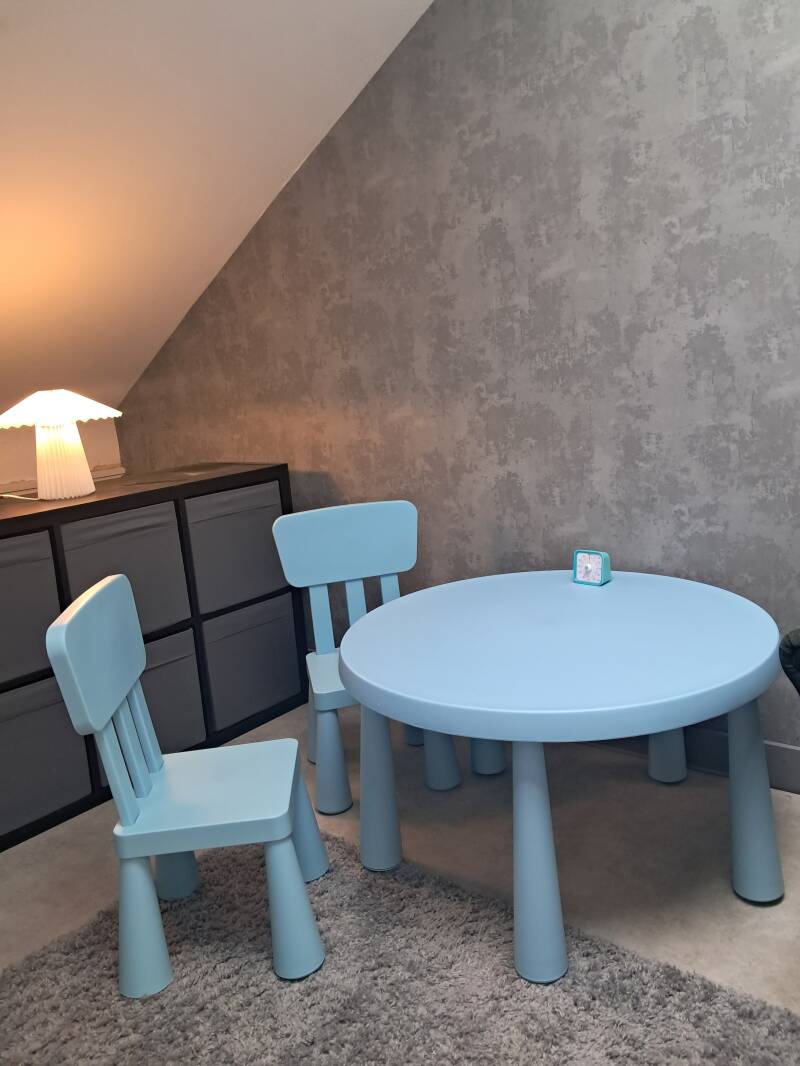
Support is offered to Children aged 12 months to 12 years
What support is offered?
Toilet Teaching
Toilet training is a big step in a child's life and can feel challenging for many families. Chloe provides structured, individualised toilet teaching support tailored to each child's needs. Chloe's aim is to support families through the toilet training process in a person-centred and supportive way, which can include a toileting assessment, an individualised toileting plan and ongoing support and guidance for parents and caregivers throughout the process.
Behavior Support
Challenging behaviour can look different for every child and it is normal for families to need help at times. Behaviour support is a positive, child and family centred approach that focuses on understanding why behaviours are happening and teaching new more helpful skills to thrive and cope in their daily routines. If you are feeling overwhelmed or unsure how to support your child, Chloe's goal is to equip and support you with strategies to manage challenging behaviours and building confidence.
School Support
School can be challenging for some children particularly if they are experiencing difficulties with behaviour or participation in the school environment. Chloe works collaboratively with families and schools to understand your child's needs and to support positive participation and engagement, helping children be able to thrive within the school environment.

Chloe supports children with a wide range of developmental learning and communication needs, including autism, ADHD, and intellectual disabilities. Chloe also supports children at different stages of communication development, including children who are pre-verbal, non-speaking or who benefit from additional communication support.
A formal diagnosis is not required to access support.