

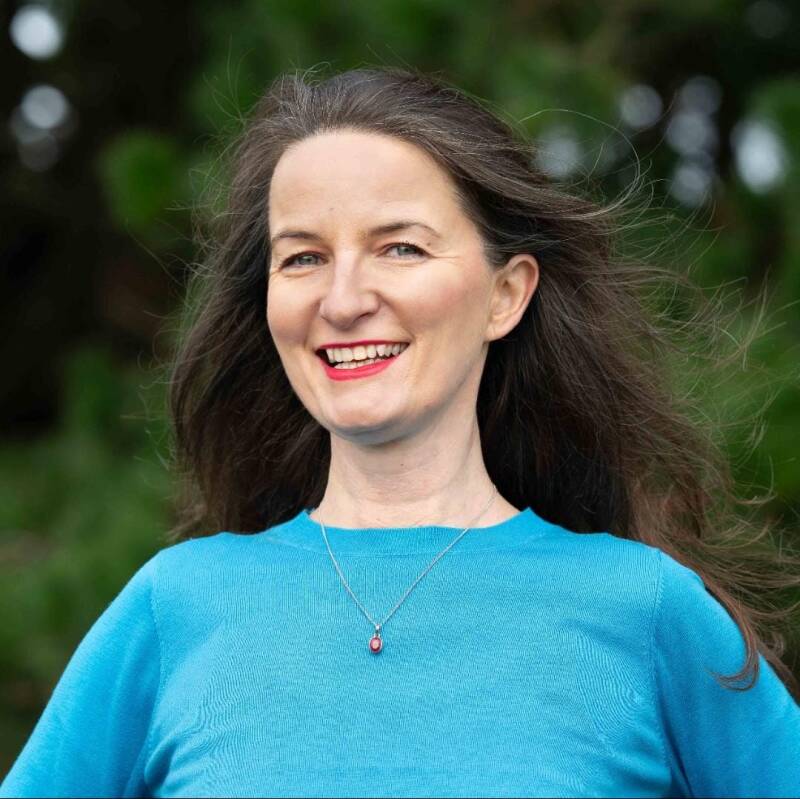
Kristina Golub Fabris
Relational Integral Body Psychotherapist (EAP, EABP)
I work with adults who are experiencing stress, anxiety, low mood, emotional overwhelm, difficulties in relationships, and the impact of past or ongoing stressful or traumatic experiences. Many of the people I support feel disconnected from themselves or others, carry emotional patterns from earlier life, or notice that they are coping on the outside while struggling internally.
My approach is Relational Body Psychotherapy, which means we work not only with thoughts and talking, but also with emotions, the body, and the nervous system. Our experiences are stored not just in the mind, but in the body – in patterns of tension, shutdown, anxiety, or emotional reactivity. In therapy, we gently bring awareness to these patterns and support your system to develop new, safer ways of relating to yourself and others.
Sessions offer a supportive, attuned relationship where you can explore what is happening for you in the present moment, make sense of past experiences, and develop greater emotional regulation, self-compassion, and connection. The work is paced carefully and collaboratively, creating a sense of safety and stability as change unfolds over time.
Together, we focus on building a stronger sense of inner safety, increasing emotional awareness, and supporting lasting change at a nervous system level – not just insight, but embodied change that can be felt in daily life and relationships.
What is Relational Body Psychotherapy?
Relational Body Psychotherapy is a form of talking therapy that also pays attention to the body and the nervous system.
While traditional counselling focuses mainly on thoughts, stories, and understanding what has happened, body psychotherapy includes what you feel in your body – such as tension, numbness, anxiety, tightness, or emotional reactions. These physical sensations often hold important information about stress, emotions, and past experiences.
“Relational” means the therapeutic relationship itself is an important part of the healing process. Feeling safely met, understood, and supported in a real human connection helps create new experiences of trust, safety, and emotional regulation.
In practice, this means:
- We talk about what is happening in your life
- We gently notice what is happening in your body and emotions
- We work at a pace that feels safe for your nervous system
- Change happens not only through insight, but through new felt experiences of safety and connection
This approach is especially helpful for people who feel stuck in patterns of anxiety, overwhelm, emotional shutdown, or relationship difficulties, and for those whose struggles feel deeper than thoughts alone.
Generally, I am available Saturdays all day, Monday, Tuesday and Wednesday until 2 pm
*As Kristina is based at both 307a Swords Road and Lilmar Avenue, you can complete whichever booking form you prefer, depending on your preferred location.
"Reaching out can be an important first step. I aim to respond to all new enquiries within one working day, and from there we can arrange a suitable time to connect"