

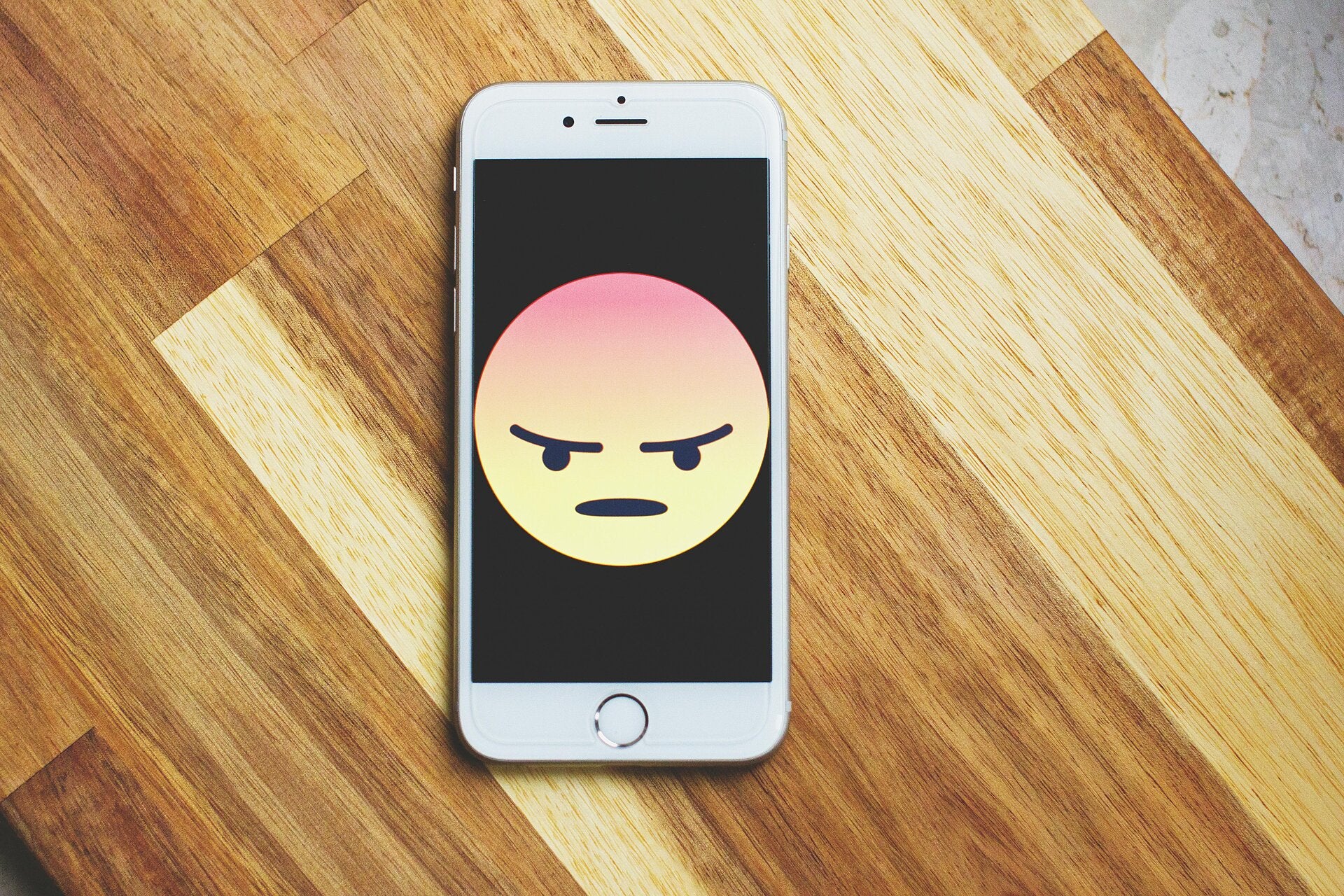
Why Do Small Things Make Me Irrationally Angry or Tearful?
If you’ve ever found yourself reacting strongly to something objectively small — snapping at a minor comment, feeling tears come out of nowhere, or getting overwhelmed by a tiny inconvenience — it can feel confusing or even embarrassing.
A common internal response is: “Why am I like this? This shouldn’t bother me.”
But emotional reactions are rarely about the size of the trigger. They are usually about what is already happening underneath.
1. The “small thing” is usually not the real thing
Emotional responses don’t come from isolated moments. They come from accumulation.
A small trigger might be the final drop in a system that is already full:
Stress that hasn’t been processed
Emotional fatigue
Ongoing pressure or responsibility
Lack of rest or recovery
Unexpressed feelings building over time
So the reaction isn’t really about the dishwasher not being unloaded or someone’s tone of voice. It’s about everything your system has been holding up until that moment.
2. Your nervous system has a threshold
Everyone has a limit to how much emotional load they can hold at once.
When you’re within that capacity, things feel manageable. When you’re approaching or past it, your system becomes more reactive.
This can look like:
Sudden irritability
Tearfulness over minor situations
Feeling overwhelmed by simple decisions
A sense of “everything is too much”
It’s not lack of control. It’s a system that has reached its processing limit.
3. Suppressed emotions tend to leak out sideways
When emotions are not expressed or processed directly, they don’t disappear. They often show up indirectly.
For example:
Frustration becomes impatience
Sadness becomes irritability
Anxiety becomes agitation or restlessness
Exhaustion becomes emotional volatility
This is why people sometimes feel they are “overreacting” to something small, when in reality the emotion has been building elsewhere for a long time.
4. Your body may be in a stress response without you realising it
Emotional intensity is often linked to nervous system activation.
When your system is in a heightened state (stress, anxiety, overwhelm), it becomes more sensitive to stimuli. This means:
Small frustrations feel bigger
Emotional reactions happen faster
It becomes harder to pause before reacting
In simple terms, your system is already on alert, so even minor inputs can feel significant.
5. Anger and tears often come from the same place
It can be surprising, but anger and crying are often closely connected responses.
Both can stem from:
Feeling overwhelmed
Feeling unheard or unsupported
Emotional overload
A sense of not having enough capacity left
The difference is often just the direction the emotion takes. Some systems turn outward (anger), others inward (tears), and many do both depending on the moment.
6. Why it feels so disproportionate
When reactions feel “too big” for the situation, it can create shame or self-judgment.
But emotional intensity is not only about the present moment. It is influenced by:
Sleep and physical exhaustion
Ongoing life stressors
Emotional history and past experiences
Current support levels
How much emotional processing has been possible recently
So the reaction is rarely about the trigger alone. It’s about capacity.
7. When this might be a sign to pay attention
It may be helpful to explore support if you notice:
Frequent emotional overwhelm in everyday situations
Difficulty calming down once upset
A pattern of feeling “on edge” or easily triggered
Emotional reactions that feel out of proportion often
A general sense of being emotionally overloaded
These patterns are not unusual, but they are important signals that your system may need more regulation and support.
Strong emotional reactions to small things are often misunderstood as overreaction. In many cases, they are actually under-rested, over-stretched, or unprocessed emotional load expressing itself in the only way it can.
The goal is not to suppress those reactions further, but to understand what is filling the system behind them — so the pressure doesn’t keep building until it has to come out sideways.