


This blog was written by Eimear Foley, who works with children, adolescents and young adults in our clinic
The Power of Art and Creativity in Therapy
“One of the most surprising things when working with children is just how insightful they can be—sometimes even more than adults.” – Melanie Klein
When people think about therapy, they often imagine sitting in a room talking. And while talking is important, it’s not the only way we express ourselves, especially for children and adolescents.
Children don’t always have the words to explain how they feel. But that doesn’t mean they don’t understand their emotions. In fact, they often have a deep awareness of what’s going on inside them. They just express it differently, through play, imagination, drawing, and creativity.
Why Creativity Matters
For many children (and even adults), creative expression feels safer than talking. Picking up a paintbrush, choosing colours, or engaging with images can open up a whole new way of communicating.
Through art and play, we can begin to see:
Feelings that are hard to put into words
Experiences that may not yet make sense
Thoughts and worries that sit beneath the surface
Sometimes, what is created on the page says far more than what could be said out loud.
What Happens in a Creative Therapy Space?
In my work, I often use simple creative tools to support emotional expression.
For example:
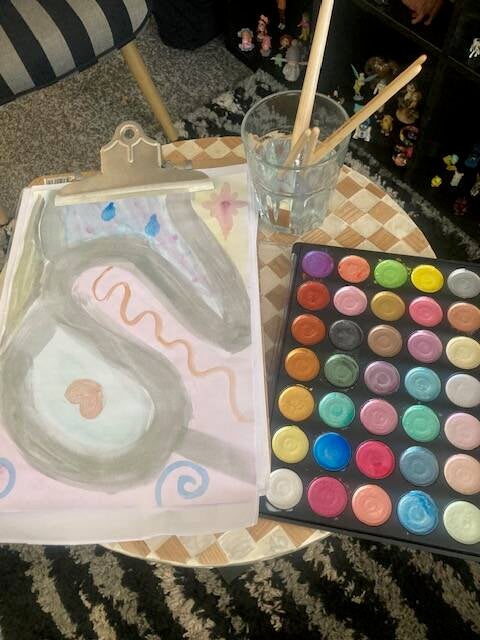
Watercolour painting allows clients to explore feelings through colour, movement, and shape. There’s no right or wrong way to do it, just expression.
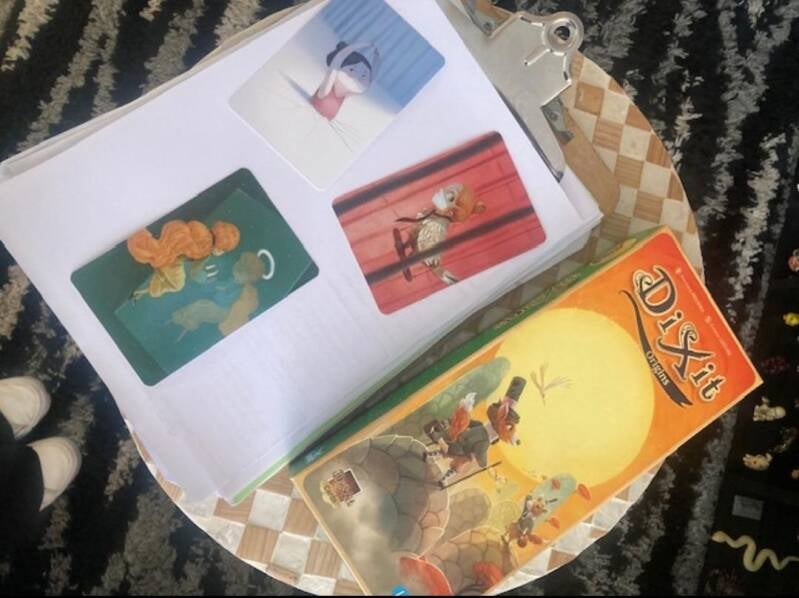
Dixit cards (illustrated storytelling cards) help children describe emotions, thoughts, and experiences by connecting with images rather than words.
More Than “Just Art”
Creative approaches in therapy aren’t about being “good” at art. They’re about expression, exploration, and understanding.
When we include creative methods, we can:
Support self-awareness
Encourage reflection
Help uncover feelings that may be hidden or unconscious
Build a deeper connection between therapist and client
Often, creativity allows something important to emerge gently, without forcing it.
Not Always Easy—and That’s Okay
Some people feel unsure about creative work. They might say:
“I’m not creative”
“I’m not good at art”
And that’s completely okay.
This work isn’t about skill—it’s about curiosity and openness and over time you begin to feel more comfortable exploring this way.
Creativity offers us another language—one that goes beyond words. Whether through painting, storytelling, or play, it allows us to connect with ourselves in a deeper and more authentic way.
By making space for creativity in therapy, we open the door to understanding, healing, and growth.